(BPT) - Colon cancer is common and it's preventable. Early detection saves lives. Have you been putting your colonoscopy off?
Colorectal cancer is the second leading cause of cancer death in the United States, behind only lung cancer. The National Cancer Institute estimates that 154,270 people in the U.S. received a colorectal cancer diagnosis in 2025 and approximately 52,900 died from the disease.
The good news is that many colon or rectum cancers are preventable thanks to colonoscopies. This type of cancer screening allows gastroenterologists to find and remove precancerous growths called polyps before they develop into cancer. Plus, if your doctor finds cancer, they can remove it at its early stages, when treatment is more likely to be successful.
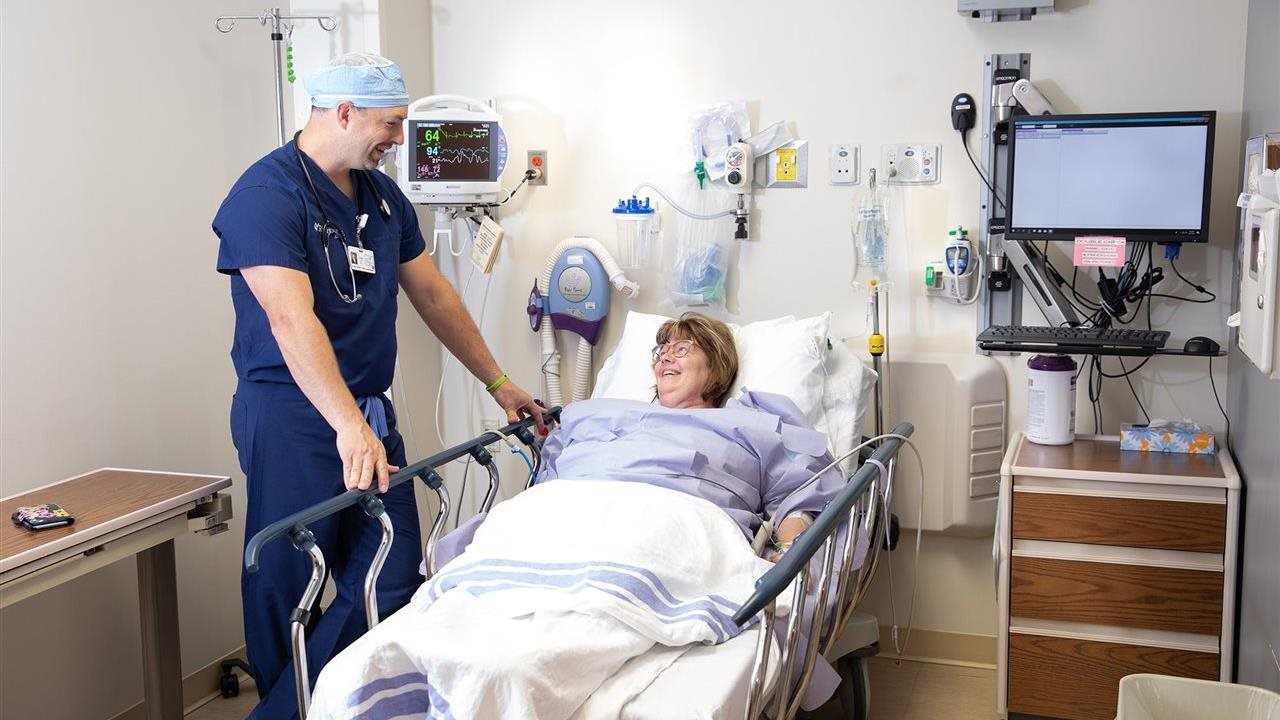
This March — during Colorectal Cancer Awareness Month — the American Association of Nurse Anesthesiology (AANA) urges you to get screened for colorectal cancer. If you're anxious about getting a colonoscopy, you're not alone, and Certified Registered Nurse Anesthetists (CRNAs) can make the procedure a pain-free experience.
Why CRNAs are key to a successful colonoscopy
CRNAs (also known as nurse anesthesiologists or nurse anesthetists) play a critical role in making colonoscopy safe, comfortable and accessible. They are advanced practice registered nurses who have extensive training in anesthesia and airway management. CRNAs safely administer more than 58.5 million anesthetics to patients each year in the United States.
CRNAs practice in:
- Hospitals
- Ambulatory surgery centers
- Rural and underserved areas
In many communities — especially rural America — CRNAs are the primary anesthesia professionals. Without them, access to colonoscopies and other procedures could be delayed or limited.
Before your procedure, your CRNA will take a full medical history, review your medications and explain your anesthesia plan.
CRNAs provide monitored anesthesia care (MAC) to keep a patient comfortable, pain-free and breathing on their own so the gastroenterologist can focus fully on the colonoscopy, improving procedural efficiency. Commonly used drugs for sedation are propofol, benzodiazepine and narcotics. Ultimately, it will be the CRNA's determination on what to use and how much to titrate to get the intended effect.
During the colonoscopy, your CRNA will remain with you through the procedure — watching over you with vigilance. They will administer one of three types of sedation:
Moderate sedation: Sometimes referred to as twilight anesthesia or conscious sedation, this type of sedation uses benzodiazepine and an opioid delivered to a patient via IV. When under moderate sedation, patients are very relaxed, sleepy and often have no memory of the procedure, though they can still respond to verbal commands.
Deep sedation: This type of sedation uses propofol — a fast-acting, short-duration medication — that is also administered via an IV. When under deep sedation, many patients sleep through the colonoscopy, are able to breathe on their own, and typically don't remember the procedure when they wake up.
General anesthesia: This type of anesthesia is rarely used for routine colonoscopies and is done in a hospital setting. Patients are fully unconscious, requiring a breathing tube.
Once you've been anesthetized, the gastroenterologist will perform the colonoscopy, and the CRNA continuously titrates the medication and monitors your vitals. If clinically appropriate, the CRNA can adjust your anesthesia for a lighter sedation. Although rare, if the moderate or deep sedation is not effective for the procedure or in the event of an emergency, the CRNA is always equipped to maintain your airway and convert your anesthetic to a general one.
Most procedures take as little as 20 minutes; however, this can vary and is patient-dependent. Once the procedure is over, the CRNA will stop administering the medication and will let it naturally wear off and allow you to wake up in recovery. You will continue to be monitored until you are fully awake. Typically, patients are discharged the same day and must have a reliable family member or friend to drive them home.
When you get screened, you're in good hands
Colonoscopies have been proven to save lives. With a CRNA administering your anesthesia, you will be comfortable and safely monitored. Schedule your colonoscopy today. You can help prevent or treat colorectal cancer before it spreads or develops.
To learn more about CRNAs and their role during colonoscopy and other surgical procedures, visit https://www.aana.com/about-us/about-crnas.